
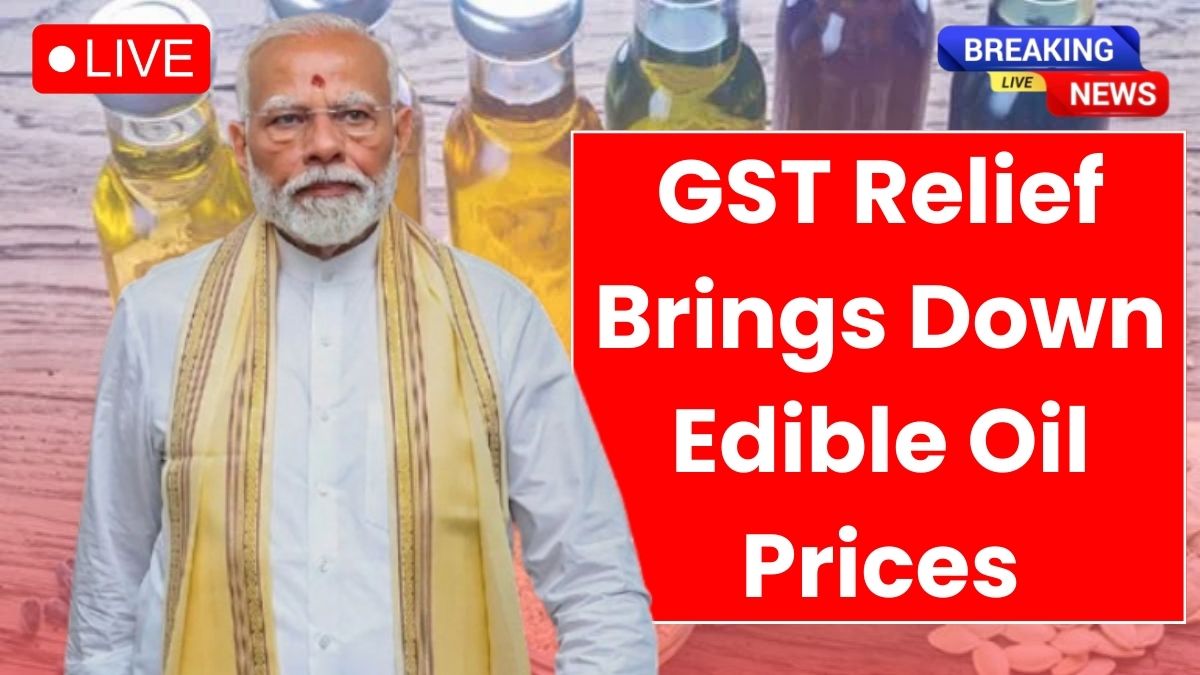
Edible oil is an essential part of every Indian kitchen. Whether it is used for cooking vegetables, frying snacks, or preparing daily meals, oil is a basic necessity. Over the past few years, rising prices of cooking oil have put pressure on household budgets. Recently, reports suggest that after changes in the GST structure, edible oil prices have shown some decline in various markets. This development has brought relief to many families who closely monitor monthly grocery expenses.
How GST Changes Affect Prices
The price of any product in India depends not only on production costs but also on taxes. Goods and Services Tax plays an important role in determining the final price paid by consumers. When GST rates are reduced or revised, companies may experience lower tax burdens. If this benefit is passed on to customers, retail prices can decrease. However, GST is not the only factor influencing edible oil prices. Transportation costs, raw material availability, and international market trends also affect overall pricing.
Current Mustard Oil Rates
Mustard oil is widely used, especially in northern states of India. According to recent market trends, mustard oil prices vary depending on brand and location. In many retail markets, prices are currently ranging between ₹170 and ₹190 per litre. Local brands may be slightly cheaper, while well-known packaged brands can cost more. Wholesale markets may offer different rates, and online platforms sometimes provide discounts. Consumers are advised to compare prices before purchasing.

Refined Oil Price Trends
Refined oils such as soybean oil, sunflower oil, and palm oil are also commonly used, especially in urban areas. The price of refined oils differs based on brand quality and packaging size. At present, refined oil prices in many cities range from approximately ₹105 to ₹145 per litre. Budget brands may be available at lower rates, while premium options are priced higher. Seasonal offers and bulk purchases can provide additional savings.
Impact of Packaging Changes
Another important factor affecting consumer spending is packaging size. Some companies have reduced pack quantities from one litre to 850 ml or 900 ml while keeping prices similar. This can create confusion, as the price appears unchanged but the quantity is lower. Buyers should always check the exact volume mentioned on the package to avoid paying more for less product.
Who Benefits the Most
A small drop in edible oil prices provides significant relief to middle-class and low-income families. Small restaurants, food vendors, and street food sellers also benefit because oil is a major part of their daily expenses. Lower costs can help them maintain profits or keep food prices stable.

While the recent GST changes have contributed to some price relief, edible oil rates also depend on global supply and demand. Consumers should shop wisely, compare options, and avoid unnecessary bulk buying.