
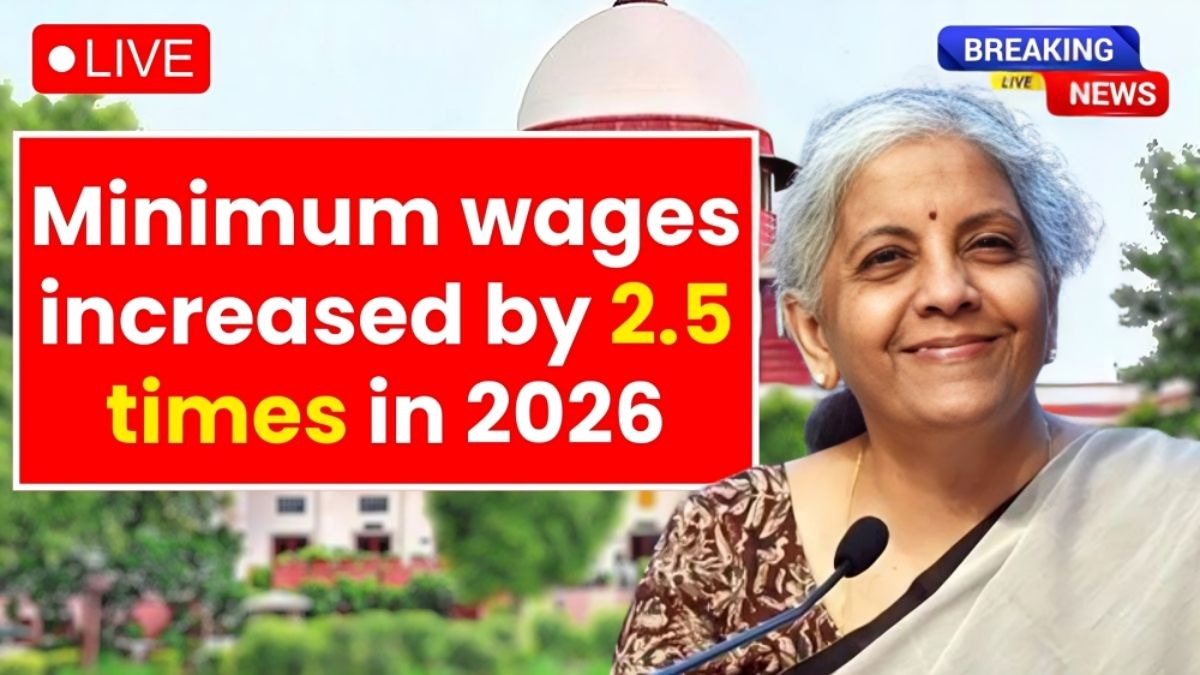
Labor Minimum Wages Hike 2026The year 2026 has brought a major relief for millions of workers across India. The central government has announced a historic increase in the minimum wage, allowing workers to earn approximately 2.5 times more than before. This decision is especially important for those who depend on daily earnings to support themselves and their families. Workers in unorganized sectors, construction, factories, agriculture, and daily wage laborers will directly benefit from this significant wage hike.
Reason Behind the Wage Increase
The government’s decision comes after years of rising inflation and stagnant wages. While prices of food, rent, education, healthcare, and other essentials increased steadily, minimum wages did not keep pace. This gap had a direct impact on workers’ living standards and purchasing power. Many laborers often had to borrow money to meet basic needs such as food, school fees, and medical expenses. Reports from the Ministry of Labour and recommendations from experts highlighted the urgent need for a substantial revision. As a result, the central government took the important step of increasing minimum wages to nearly 2.5 times their previous level.
Who Will Benefit the Most
The wage increase will benefit workers across almost all states in India. Laborers in construction, factories, industrial work, agriculture, and other unorganized sectors are expected to see the most significant gains. The central government has also given states the authority to set higher wages based on local conditions, but no state can fix wages below the new minimum threshold. This ensures that all workers receive at least the guaranteed minimum pay, regardless of region or type of work.

New Wage Levels and Monthly Impact
Under the new system, daily wages that previously ranged between ₹300 and ₹350 could now rise to approximately ₹700 to ₹850. This increase will have a substantial effect on workers’ monthly earnings. For example, a laborer who previously earned ₹8,000 to ₹10,000 per month may now earn ₹18,000 to ₹22,000 or more, depending on the state, type of work, and local wage policies. This boost in income is expected to improve not only household budgets but also overall quality of life.
Implementation and Monitoring
The government has instructed all states to implement the new minimum wages in a phased manner throughout 2026. Authorities are also strengthening monitoring mechanisms to prevent underpayment or exploitation of workers. Laborers who are paid less than the prescribed rate will have the right to file complaints with the relevant department, ensuring proper enforcement of the new wage rules.
Wider Impact of the Wage Hike
This historic decision is expected to have positive effects beyond individual workers. Increased income will enhance social and economic conditions for laborers and their families. In the long run, higher wages could boost domestic consumption, strengthen local markets, and contribute to overall economic growth. For workers, the new wages bring not only financial relief but also a sense of dignity and security.

Disclaimer
This article is based on media reports and publicly available government information. Final minimum wage rates may vary depending on the state, region, and type of work. For precise and official details, readers are advised to refer to notifications issued by the respective state government or labor department.